The Heidenreichstein Moor
The Heidenreichsteiner Moor, parts of which were cleared for peat in past centuries, is, according to experts, one of the most suitable areas in the northern Waldviertel for restoration.
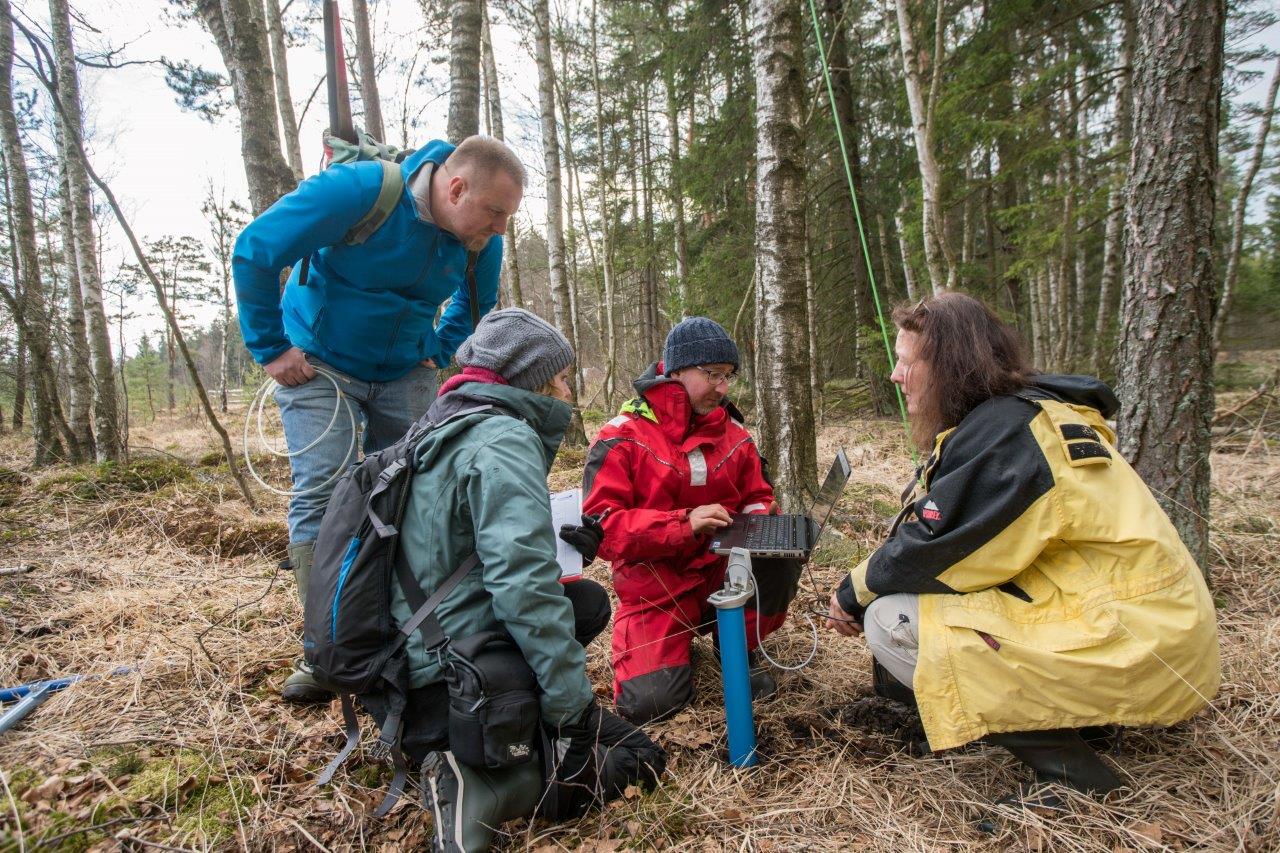
Yet even here, traces of its former use are still clearly visible today: a paved forest road, flanked on both sides by drainage ditches, cuts through the nature reserve from north to south. In addition, a complex system of former drainage ditches criss-crosses the entire nature reserve, draining it southwards into the Winkelauerteich. Some of the ditches appear very shallow and heavily overgrown with vegetation. However, tests on the water conductivity of the ditches and their surroundings show that even overgrown ditches are hydrologically effective, draining the adjacent areas and channelling the collected water out of the bog via the ditch system.
The (former) high moor is fed by precipitation. It is therefore all the more important to retain the water within the moor by damming or closing off the ditches, and to stabilise the water level at as high a level as possible.
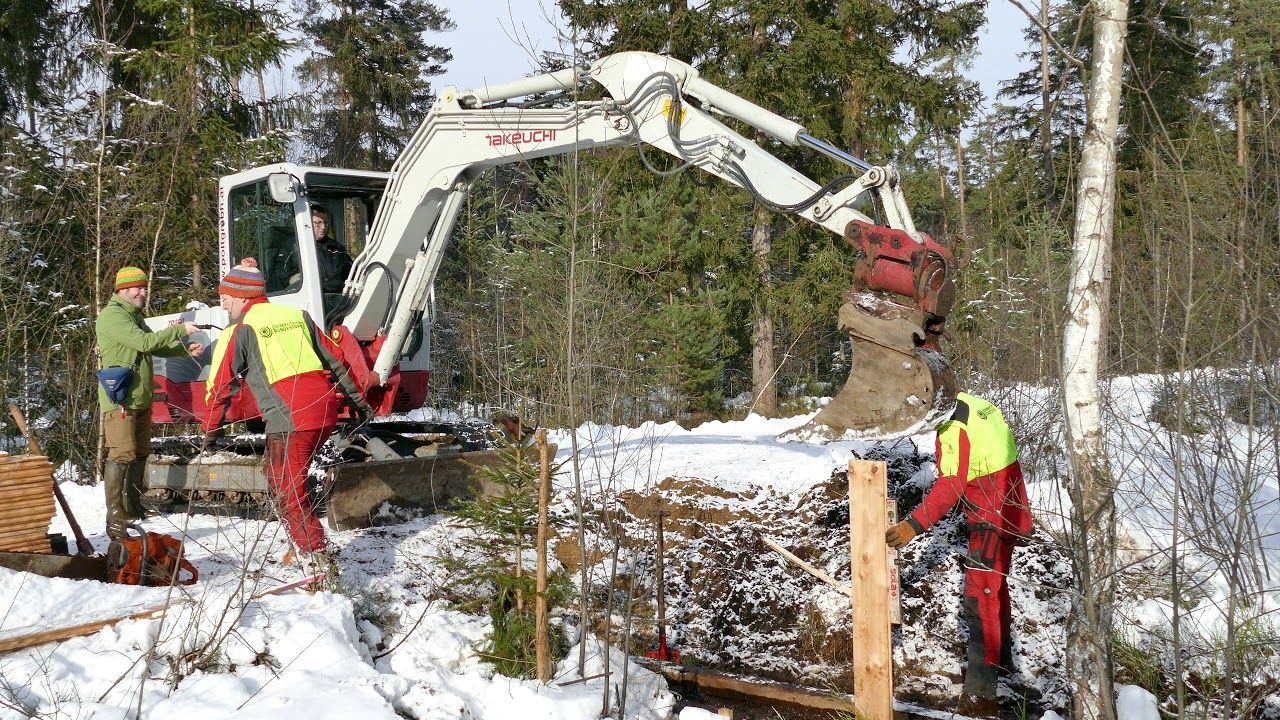
In recent years, as part of several projects involving various partners, a total of over 30 larch timber sheet pile walls have been installed in the ditches.
Water levels that are too low or fluctuate not only lead to the drying out and mineralisation of the peat, but, in combination with nutrient input, also result in the scrub encroachment of bog areas. The dense growth of woody plants, such as birch, alder buckthorn and pine, further depletes the water in these areas and, by shading the ground, prevents the growth of typical bog species such as Sphagnum sp., Eriophorum vaginatum and Vaccinium oxycoccus. The Nature Park Association therefore carries out regular maintenance work to thin out the vegetation. Anyone who would like to get involved in bog conservation can volunteer to support the ‘Team Moor’ during these maintenance operations.
The protection and conservation of moors is not only important for the animal and plant species found there, but also makes a significant contribution to climate protection, as intact moors store large amounts of carbon in their peat layer.