Selected animal species in the
Heidenreichsteiner Moor Nature Reserve

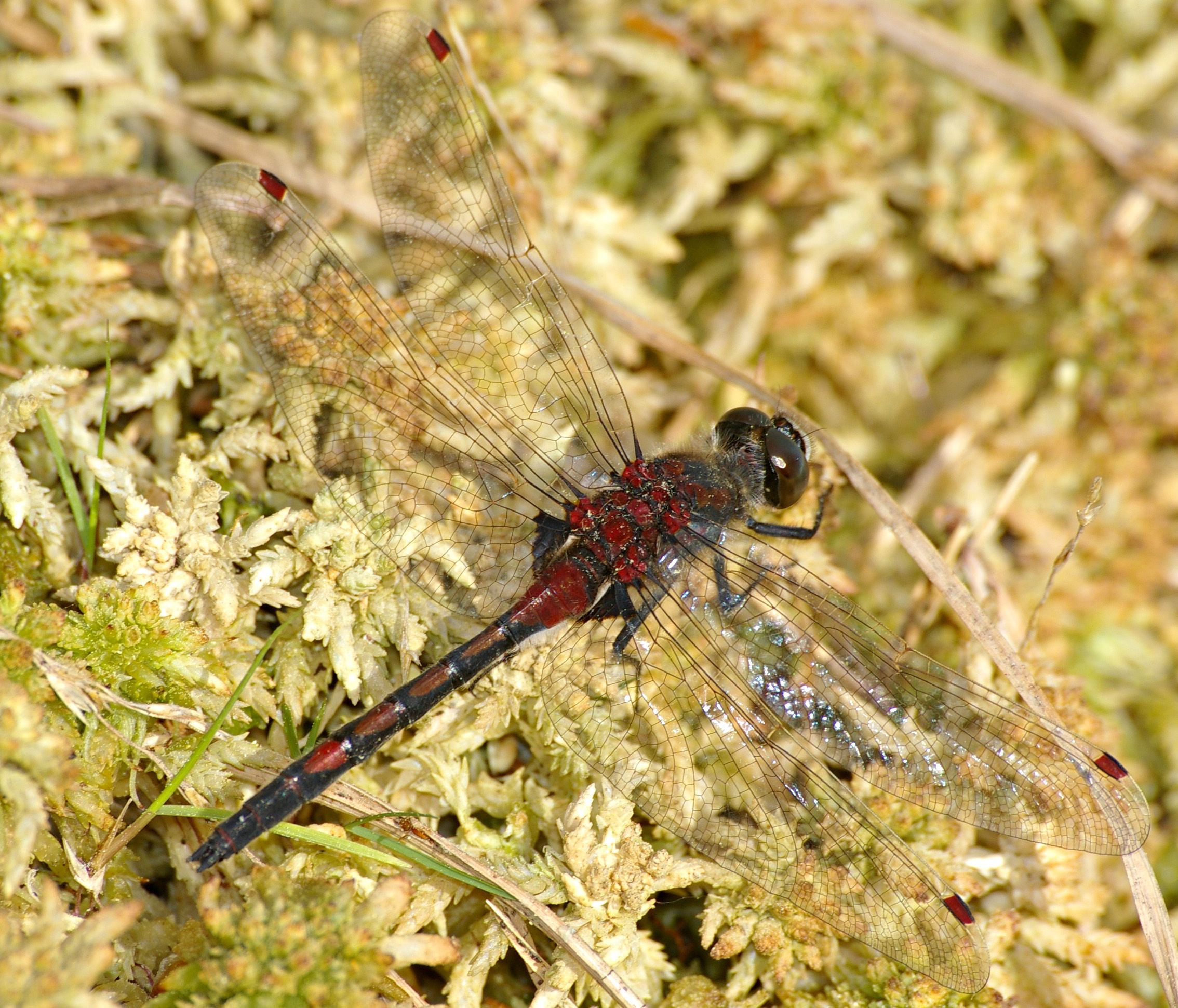
Eine Libelle auf einem Moospolster
©Christian Fischer, WikimediaCommons

Northern Moss Dragonfly

The Northern Moss Dragonfly (Leucorrhinia rubicunda) is found in high moors and in the silted-up areas of bog pools. This relatively small dragonfly is characterised by coloured spots on its abdomen, which are blood-red in males and yellow in females. Both the forewing and the hindwing each bear a coloured mark, which is dark red in males and black in females. During the mating season, the female lays her eggs on floating sphagnum mosses in a rocking motion, whilst the male stands guard. The species is classified as critically endangered.
2 blaue Frösche
©Wolfgang Dolak

Moor frog

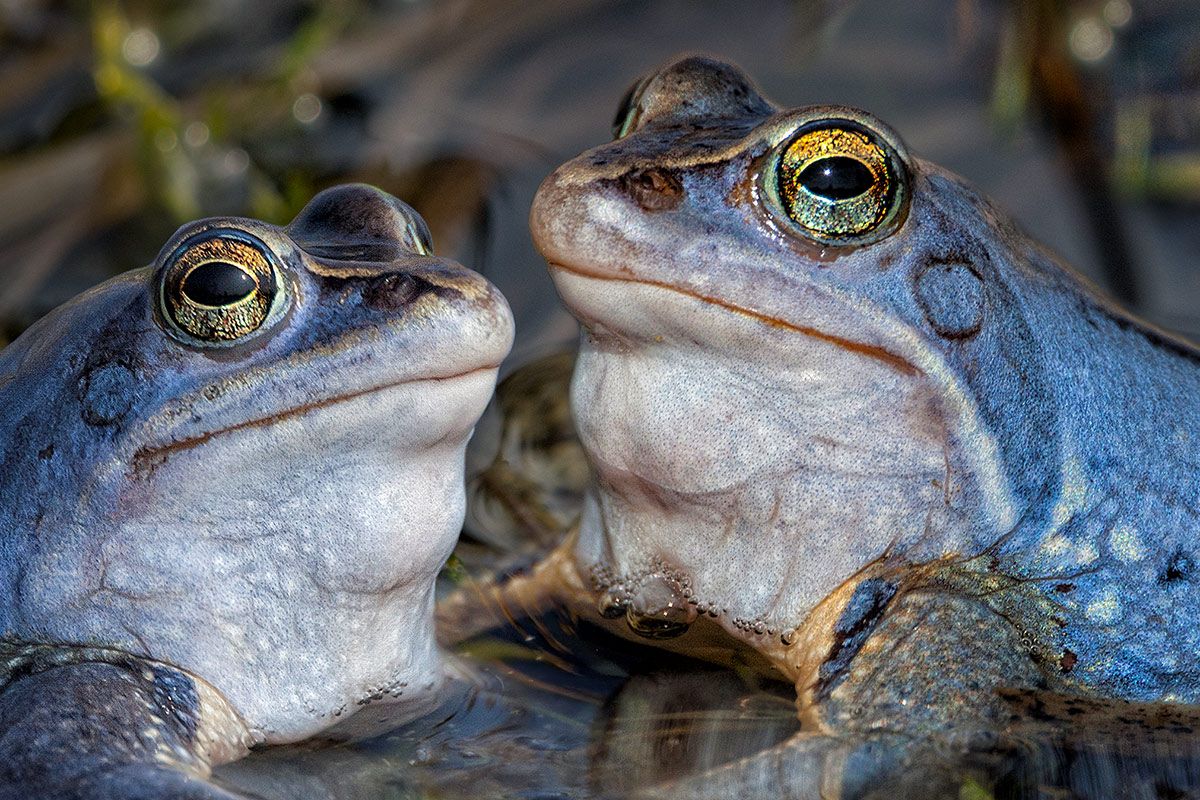
In dammed-up drainage ditches and in the vicinity of Winkelauer Pond, with a bit of luck, you can witness a remarkable spectacle in early spring. The males of the moor frog (Rana arvalis), which is only about 7 cm long, develop an intense blue colour during the spawning season in early spring. However, this can only be observed for a few days. Outside the mating season, the moor frog is often confused with the common grass frog, but its snout is distinctly pointed. The two species can also be easily distinguished by their mating calls. This frog species is endangered due to habitat destruction (drainage of moors, silting up of water bodies) and is therefore protected in Austria.

Ein Seeadler mit ausgebreiteten Flügeln am Himmel
©Bernd Rassinger

White-tailed eagle

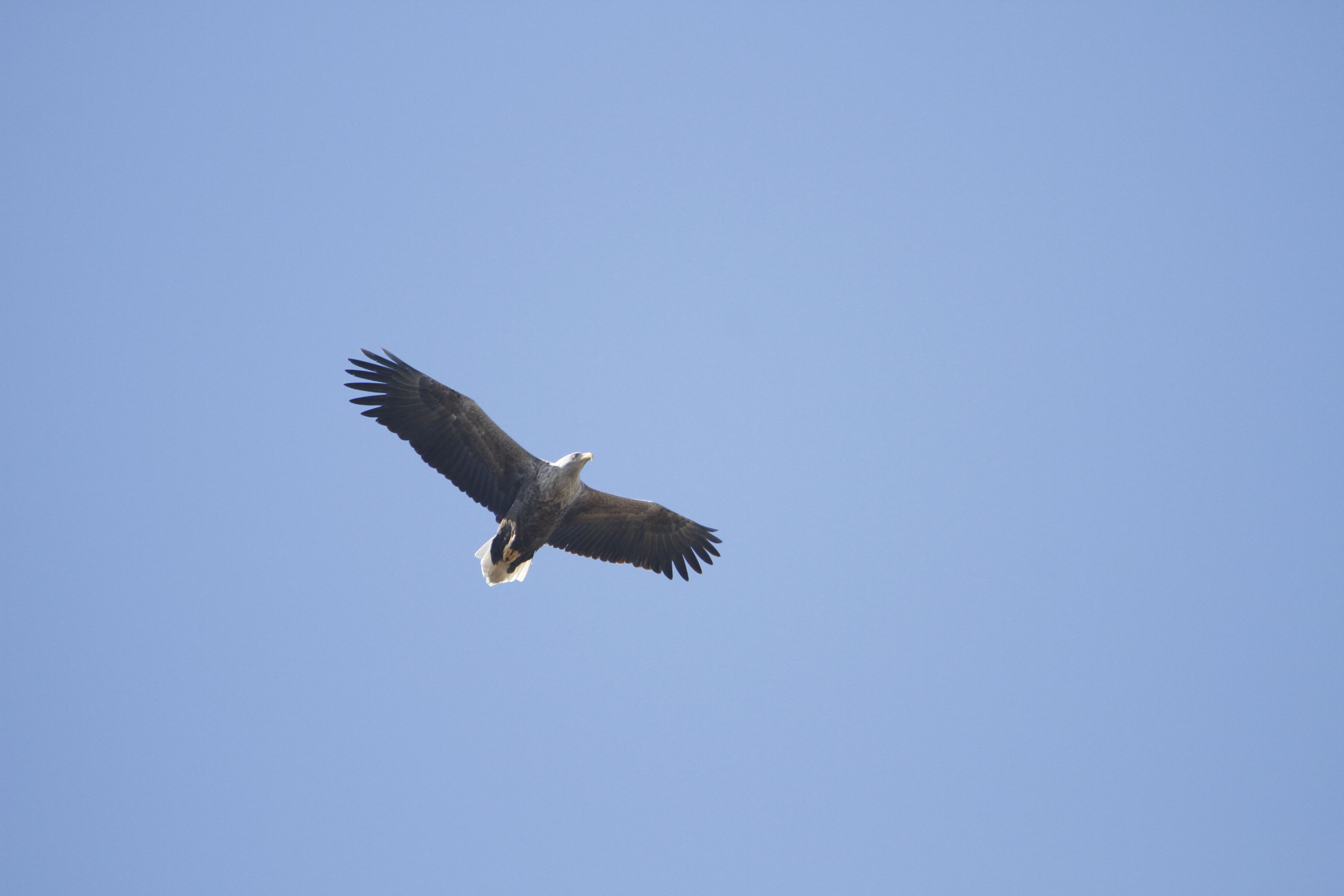
The white-tailed eagle (Haliaeetus albicilla) is one of Europe’s most impressive birds of prey. With a wingspan of up to 2.5 metres and its distinctive pale tail, it is a fascinating sight. The ‘King of the Skies’ can often be spotted near bodies of water, such as ponds and rivers.

A few decades ago, the white-tailed eagle was still considered extinct in Austria; however, it has been making a comeback for several years now and finds ideal living conditions in the Waldviertel, amongst other places: extensive forests for its nests and waters teeming with fish as a source of food. The Waldviertel is now even regarded as one of the hotspots for white-tailed eagles in Austria. This is why we have chosen to honour this special bird in our logo. 

The return of the white-tailed eagle is regarded as a major success for nature conservation; today, it is strictly protected.

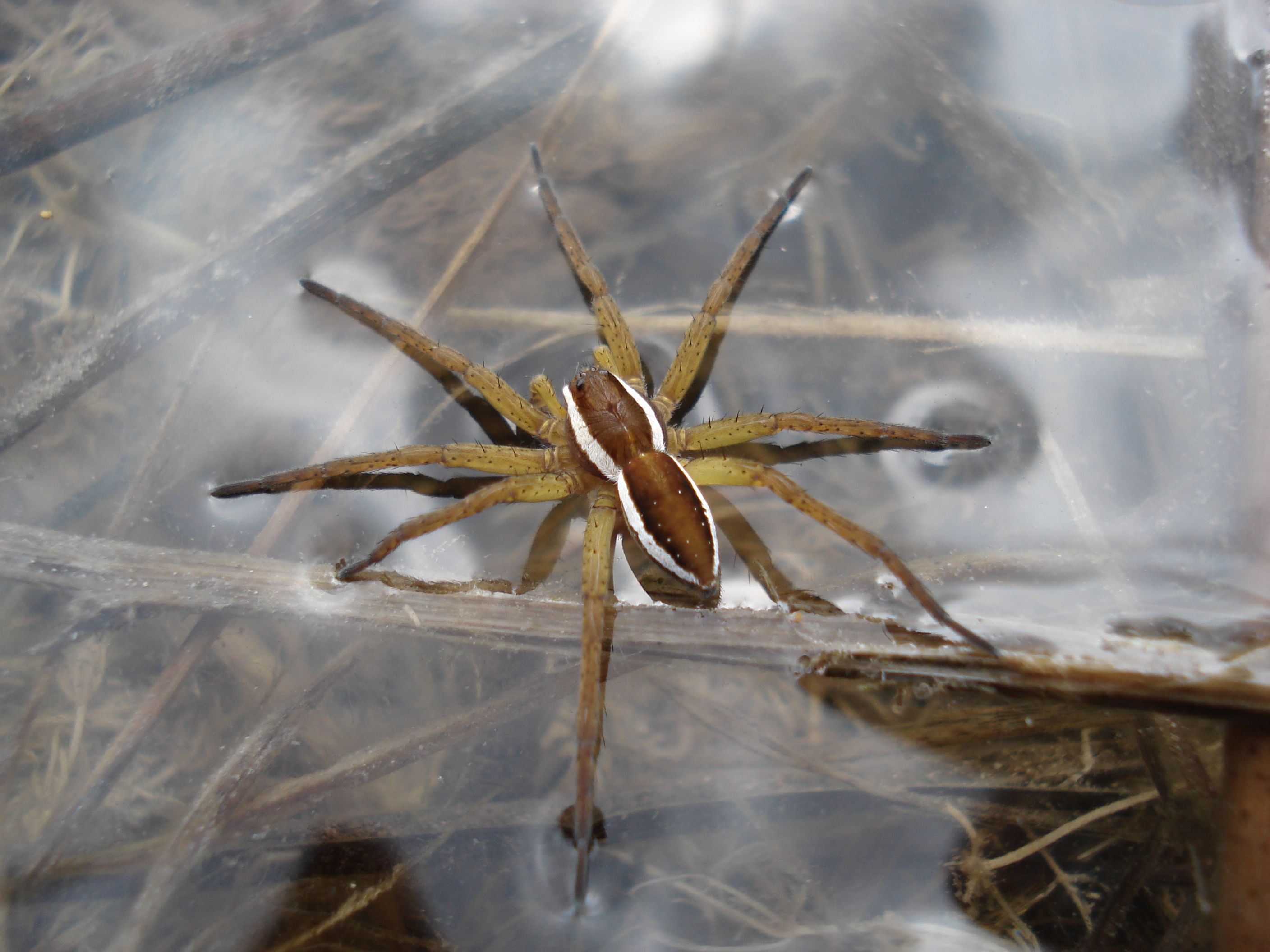
Eine Spinne auf der Wasseroberfläche
©Tragopodon, WikimediaCommons

Fringed hunting spider

The fringed hunting spider (Dolomedes fimbriatus) is an impressive inhabitant of moors, marshes and wet meadows. It is one of the largest spiders in Central Europe and – unlike many other spiders – does not spin a web, but actively hunts its prey. A characteristic feature of the fringed hunting spider is its ability to move skilfully across the water’s surface. It uses surface tension to catch insects, small fish or tadpoles. Its dark body with light-coloured lateral stripes provides good camouflage amongst plants and along the water’s edge. It poses no danger to humans.

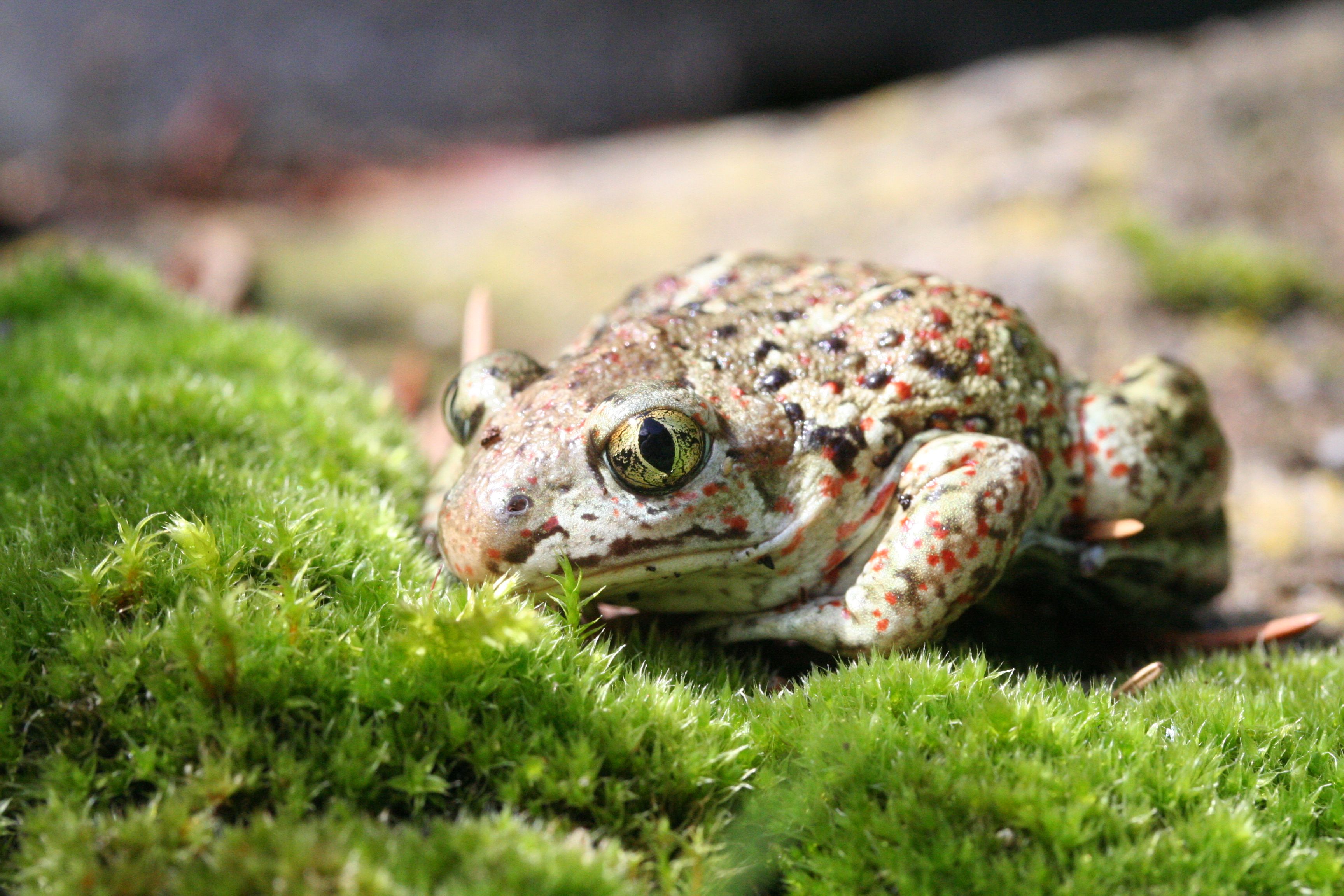
Kröte auf einem Moospolster
©lateral 5snake5, WikimediaCommons

Garlic toad

The name of this toad derives from a secretion that is released (in rare cases) to ward off predators. In most cases, however, the toad puffs itself up or crouches down as a deterrent. This species can also emit a distress call that resembles a baby’s cry. The underside of the common spadefoot toad is white, whilst the upper side varies greatly depending on its range, sex and the time of year. A distinctive identifying feature is the cat’s-eye-like shape of the pupils and the heel tubercle, which is very pronounced in this species. This serves as a digging tool for the animal. The main spawning season is roughly between late March and mid-May. Heavy rainfall can lead to a second spawning phase in midsummer. The tadpoles grow to a very large size and can reach a total length of 15 cm. In the water, they move in a manner similar to a fish.